ServicesLight Demolition
Light Demolition in Sacramento
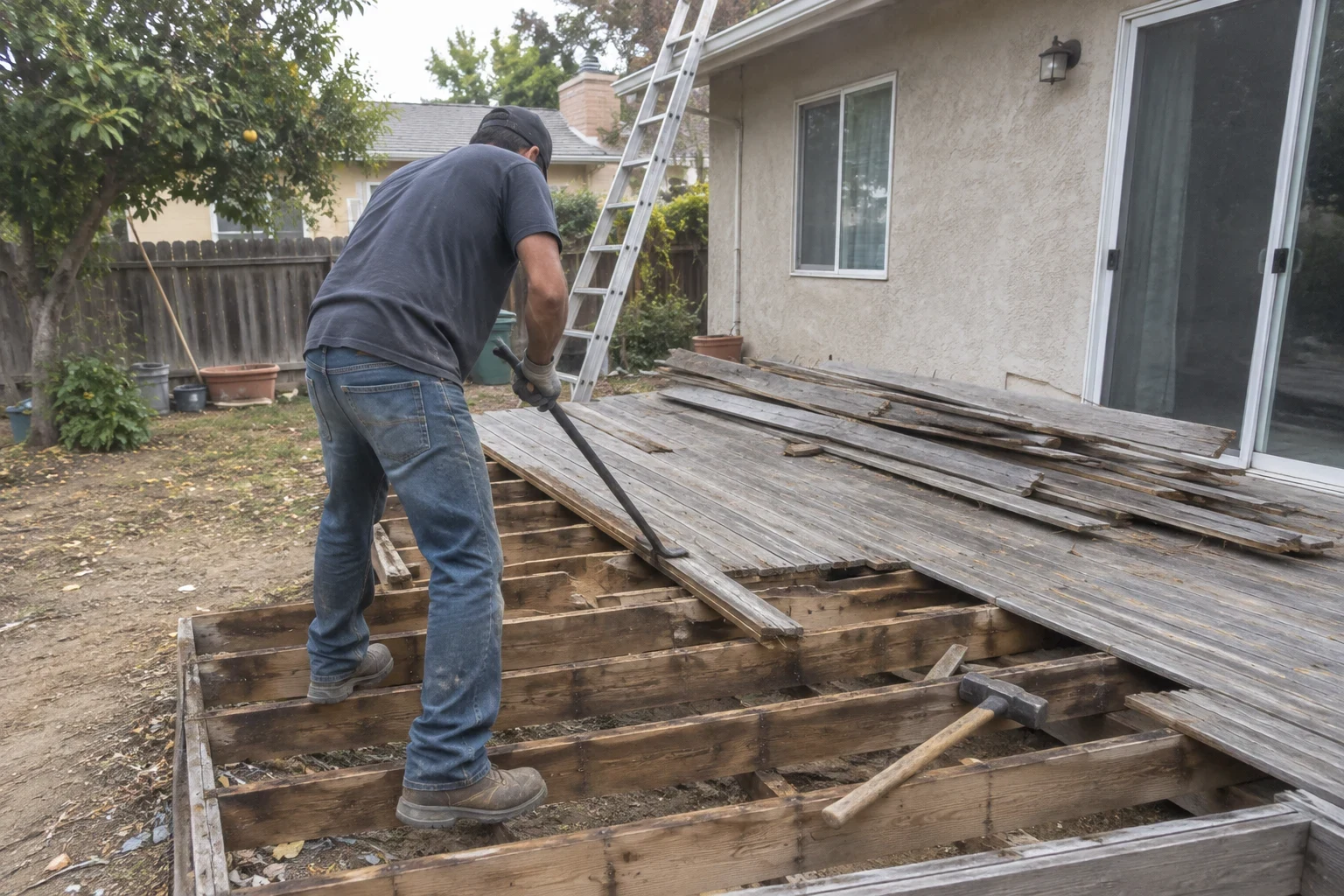
We tear out old decks, fences, hot tubs, patio covers and interior fixtures, then haul every piece away. Before anything comes down, we check what it's attached to, what runs through it and what it's made of, so the job is scoped right and nothing next to it gets damaged.
Small tear-outs, done in the right order
Light demolition is the non-structural work that comes before a remodel or a fresh start: a rotted deck, a leaning fence, a dead spa, a kitchen's worth of cabinets and countertops, old carpet and tile. It is more than hauling but far less than a contractor's gut job, and it usually fits in a day or two.
The part people skip is the inspection. A deck ledger may be lag-bolted into your rim joist, a patio cover can carry an electrical run to a fan, and a hot tub has a dedicated 240-volt circuit. We find those connections first, because pulling the wrong board or cutting a live line turns a simple tear-out into a repair bill.
If what you need gone is a free-standing outbuilding, see our Shed Removal page. If a remodel crew already did the tearing and left a pile, Construction Debris is the better fit.
What the work includes
- Decks and stairs
- We remove decking, joists, beams and stair stringers, back out or cut the ledger fasteners, and pull or break out post footings when you want the ground clear. We look at the house siding and rim joist behind the ledger so you know if there's rot to address before a new deck goes on.
- Fences and gates
- Wood, chain-link and vinyl panels, rails and posts, including posts set in concrete. We confirm the property line question is yours to settle before we touch a shared fence.
- Hot tubs and spas
- We confirm power is off at the breaker and the disconnect, drain the tub, then cut the shell and cabinet into sections that fit through a side gate.
- Patio covers and pergolas
- Aluminum and wood covers come down with attention to where they tie into the fascia, so the roof edge is left intact.
- Interior tear-outs
- Cabinets, countertops, carpet and pad, vanities and non-load-bearing drywall. We cap nothing and disconnect no plumbing or wiring; that stays with your plumber or electrician.
- Haul-away and sweep
- Every load leaves on our truck. Metal and clean wood are separated for recycling where facilities accept them, and the work area is swept or raked when we finish.
Signs it's time to take it down
Soft or spongy deck boards
Long, hot summers dry the surface while sprinkler overspray and winter rain soak the ends. That cycle opens checks in the wood and lets rot reach the joists. When boards flex underfoot, the framing below is often worse.
Fence posts rotted at grade
Wood posts fail right where they meet the soil. A fence that leans after every windy day usually has posts that can't be reset.
A spa that won't hold heat or water
Cracked shells, failed pumps and soaked foam insulation often cost more to fix than the tub is worth.
A remodel that starts next month
Clearing old cabinets, flooring or a deck ahead of time lets your contractor start on the new work instead of billing for tear-out.
What moves the price
Light demolition is priced from what we see on site, not a flat per-item rate. Two decks of the same size can differ a lot depending on how they were built and what's underneath.
Size and material
Square footage matters, but so does material. Composite decking is heavier than wood, and tile with a mortar bed weighs far more than carpet.
How it's attached
Screws come out quickly. Ring-shank nails, through-bolts and posts set in concrete take more labor and tools.
Access
A wide driveway lets us load directly. A narrow side yard, a back slope or stairs mean more carrying and more time.
Disposal weight and type
Concrete footings, tile and plaster are billed by weight at disposal sites. Clean metal and lumber can cost less to dispose of.
How the job runs
- 1
On-site look first
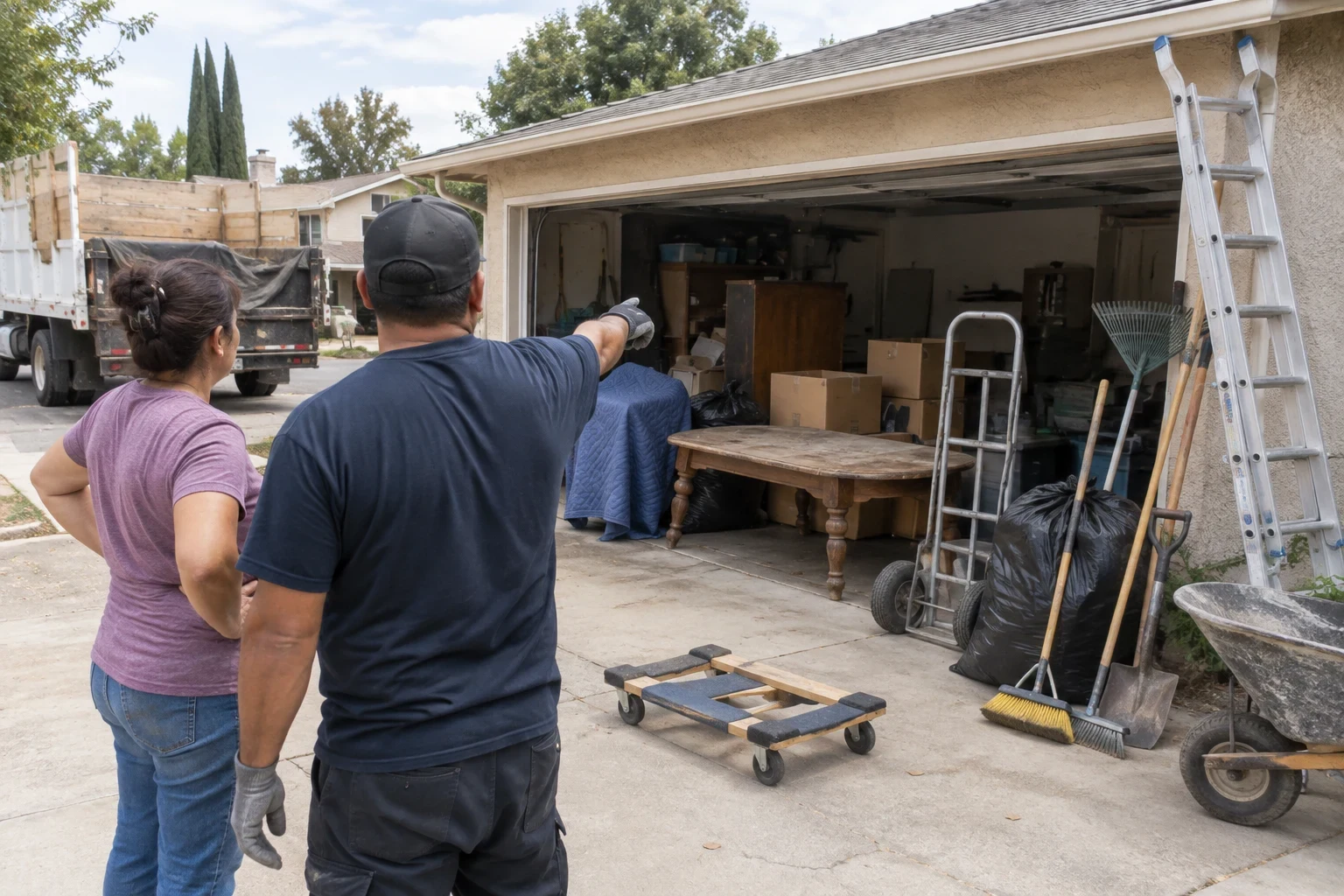
We walk the structure with you, note fasteners, footings, wiring and plumbing, and identify materials. Older homes can have vinyl tile, mastic or textured ceilings that may contain asbestos; we won't disturb suspect material until it has been tested.
- 2
Clear scope and price
You get a free, no-obligation estimate that spells out what comes down, what stays and what happens to the debris. Upfront pricing, no surprises.
- 3
Protect and take apart
We lay protection on paths and nearby surfaces, then dismantle in sequence, top down and outside in, so nothing drops onto siding, windows or plants.
- 4
Load, haul and clean
Debris goes straight to the truck, nails are swept or magnet-sweeped from the area, and we walk the space with you before we leave.
Light demolition questions
Do I need a permit to remove a deck or patio cover?
Many small tear-outs don't need one, but larger structures or anything tied into electrical can. We'll tell you during the estimate when a permit is likely and point you to the city or county office that handles it. Checking first avoids a stop-work problem halfway through.
Can you take out a wall?
Only a non-load-bearing partition, and only after we confirm it isn't carrying anything above it. If there's any doubt, we'll recommend a contractor or engineer look first. We don't remove structural walls.
What about the hot tub's wiring?
The circuit must be shut off before we start, and we verify it at the disconnect before touching the tub. If you want the wiring pulled out or permanently capped, that work belongs to an electrician, not to us. We're happy to schedule around their visit so the spa comes out after the power is handled.
Do I need to be home during the work?
Someone should be there at the start to walk the scope and at the end to check the result. For outdoor work with clear gate access, you don't need to stay in between.
Will you leave holes where the posts were?
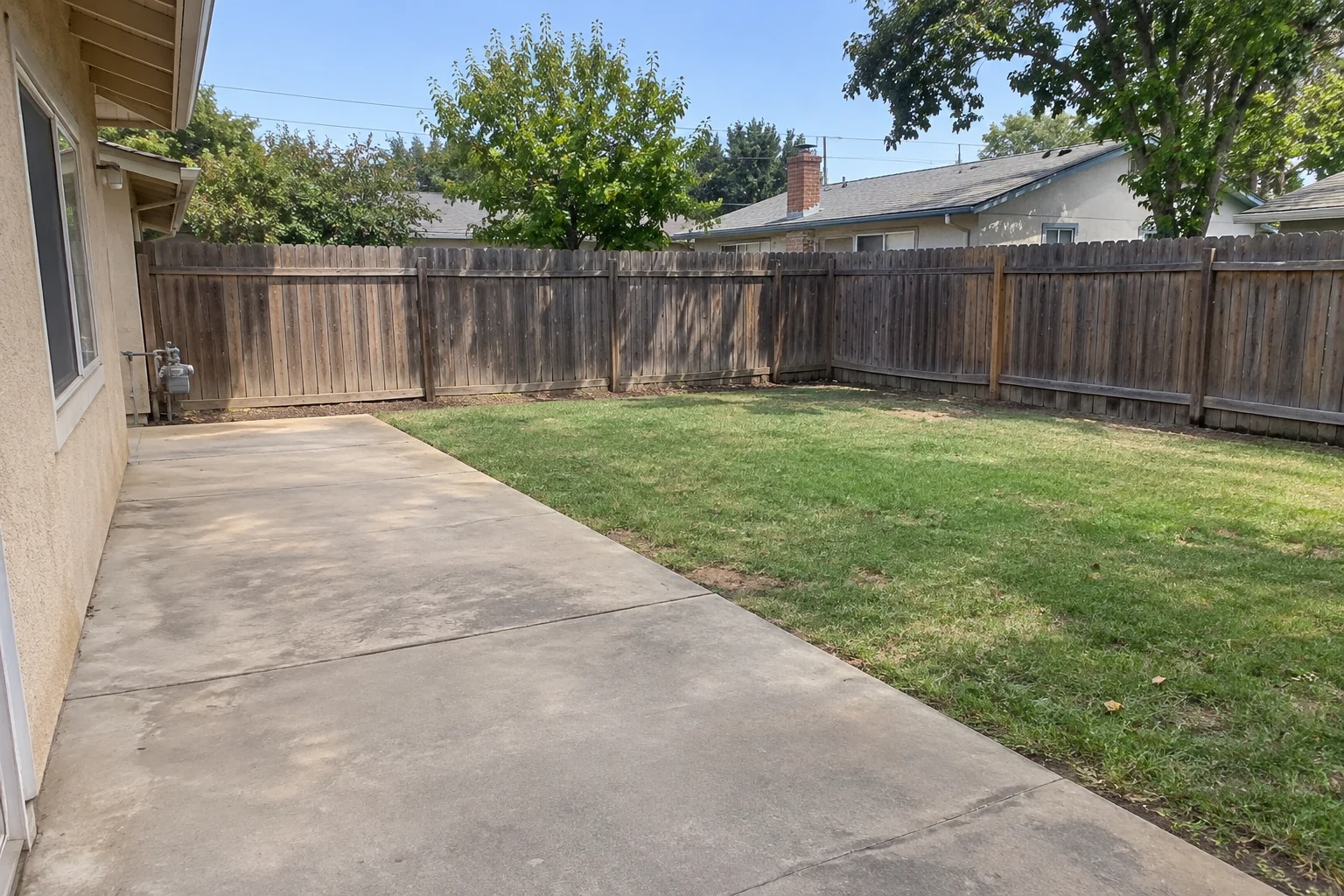
When we pull footings, we backfill the holes with the surrounding soil so the yard is safe to walk. If you're planning new posts in the same spots, tell us and we'll leave them open.
Ready to clear the way for what's next
Tell us what you want gone and we'll come look at how it's built. You'll know the scope and the price before any work starts.